
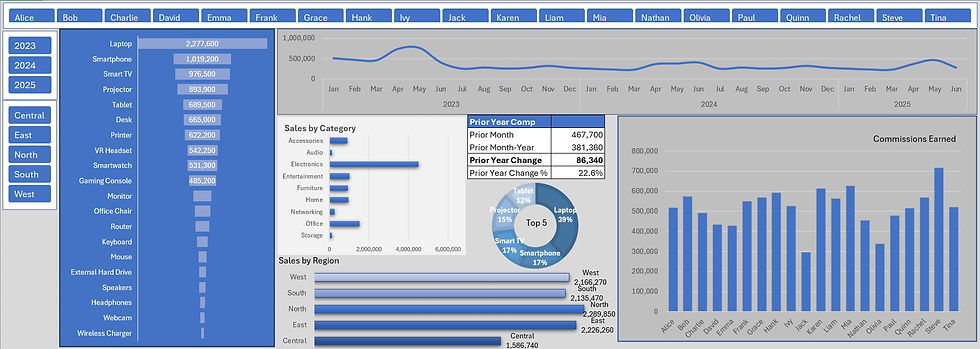
Your dashboard should serve as a strategic advisor.

Dynamic dashboard technology enhances the conventional dashboard experience by converting static data into interactive exchanges. Rather than simply displaying charts and figures, it engages users directly, interprets trends, and delivers real-time insights customized to individual requirements. This integration of data visualization and dialogue enables users to make informed decisions efficiently and fosters a more intuitive understanding of their data, encouraging thorough exploration of the most relevant metrics.
An effectively designed and implemented dashboard not only streamlines data discovery but also bridges the gap between technical analysis and routine business decision-making, making advanced analytics accessible across the organization. Personalized dashboards offer significant advantages over Point of Sale (POS) dashboards by providing tailored insights, scalable architecture, and comprehensive control over branding and functionality. This approach prioritizes designing tools that adapt to your business, rather than requiring your business to conform to generic solutions. POS dashboards often rely on standard templates that may not account for distinct products or customer segments. In contrast, custom dashboards facilitate integration across multiple data channels, including sales, email campaigns, inventory management, and economic indicators.
As your business evolves, custom dashboards are designed to scale in parallel. New metrics can be introduced, workflows automated, and sectors pivoted without the constraints imposed by POS systems. As your strategic initiatives develop, your dashboard adapts accordingly updating KPIs, expanding inventory tracking, incorporating price elasticity analyses, and calculating client lifetime value. Consider whether your dashboard supports custom views with advanced analytics and storytelling capabilities.
It is important to note the trade-offs involved (see opportunity cost). Developing custom dashboards requires an initial investment of time and resources, including assessment, planning, and user training. However, this investment yields long-term benefits, continually adding value to your business over many years.
Comments